
Some films may be suitable for competent users, but professional installation is recommended for large panes, commercial glazing and projects where high optical clarity is important.

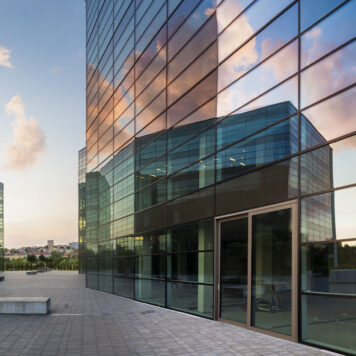
Neutral solar window film is designed to reduce solar heat and glare while retaining a more natural, less reflective appearance than traditional mirrored films. It is particularly suitable for projects where glazing performance needs to improve without significantly changing the look of the building.
At Window Films Direct, we supply professional-grade neutral solar-control films for trade installers, contractors and commercial glazing projects throughout the UK. Our Prestige range includes several performance levels, from darker glare-reduction films to high-transparency options that remain discreet on the glass.
Whether the priority is maintaining visibility through a shopfront, improving comfort in a restaurant or reducing overheating in an architecturally sensitive building, neutral solar film provides a balanced alternative to highly reflective window film.
Traditional reflective films can provide strong solar performance but may create a pronounced mirrored appearance. Neutral solar films are designed to deliver heat and glare control with a subtler external finish.
Depending on the selected product, potential benefits include:
The precise balance of heat rejection, visible light and appearance will vary between films.
Neutral solar-control films use advanced layers of metals, alloys or specialist materials to manage solar energy passing through the glass.
Selected Prestige films use sputtering technology, a manufacturing process that bonds very fine layers of performance metals and alloys within the film structure.
This construction can help provide:
The technical specification should always be reviewed because films with a similar appearance may provide different levels of heat and glare reduction.
Sputtering is a specialist manufacturing process used to deposit extremely thin layers of metal or alloy onto the film.
These layers help control solar energy without necessarily creating the highly mirrored appearance associated with more traditional reflective products.
Potential advantages of sputtered films include:
The finished appearance will still depend on the film, glass type, lighting and viewing conditions.
The Prestige range includes several films designed to provide different balances of light transmission, glare control and heat rejection.
Prestige Dark is the darkest option within the range and provides the strongest glare reduction.
It may be suitable for:
Because it reduces more visible light, the change in interior brightness and external appearance should be considered before installation.
The intermediate Prestige options provide a balance between heat rejection, glare reduction and retained visibility.
They may be suitable where stronger performance is required, but the glazing should not appear excessively dark.
Applications can include:
The individual product data should be compared to identify the most appropriate visible-light transmission and solar performance.
Prestige Ultra is the most visually discreet option in the range.
It is designed to retain high visibility through the glazing while still rejecting a significant proportion of solar heat.
Typical applications include:
Although the film may appear virtually clear in many conditions, its visibility will still depend on the glass, lighting and viewing angle.
Both neutral and reflective films can reduce solar heat and glare, but their appearance and privacy performance differ.
Neutral film generally provides:
Reflective film generally provides:
The right choice will depend on whether heat rejection, privacy, visibility or external appearance is the main priority.
Neutral solar films can reduce a proportion of the solar energy passing through the glazing.
This may help improve comfort by reducing:
The actual result will depend on:
Performance should be assessed using the individual film’s technical data.
Neutral solar film can reduce visible glare while retaining a clearer view through the glazing than many darker or mirrored products.
It may be suitable for:
Darker Prestige films will normally provide stronger glare reduction than lighter, more transparent products.
Many neutral solar films also reduce a high proportion of ultraviolet transmission.
This may help slow fading affecting:
UV light is only one cause of fading, so film can reduce the risk but cannot prevent deterioration completely.
Retail glazing often requires solar protection without reducing visibility into the premises.
Neutral films can help:
Prestige Ultra may be particularly suitable where visibility from outside is a key requirement.
Restaurants, cafés and hospitality venues often contain large glazed areas where customers may experience uncomfortable heat and glare.
Neutral solar film can improve comfort while retaining views and a lighter, more open environment.
Typical applications include:
The selected film should balance heat control with the required natural light and ambience.
Conservatories can become excessively warm due to the amount of exposed glazing.
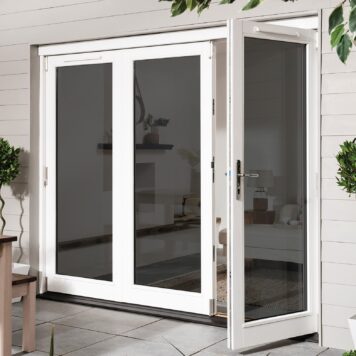
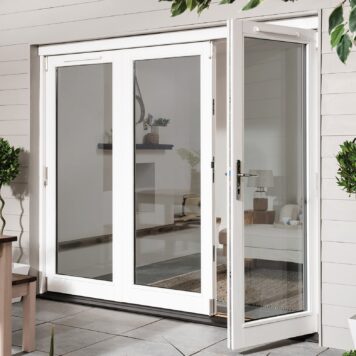
A suitable neutral solar film may reduce heat and glare without introducing a strongly mirrored appearance.
Glass compatibility must be checked carefully, particularly for:
A specialist external or conservatory roof film may be required for some glazing systems.
Neutral film can be useful where the external appearance of the building must remain as unchanged as possible.
Potential applications include:
Planning, landlord or conservation approval may still be required, depending on the building and extent of the visual change.
Not every neutral solar film is suitable for every glazing system.
Compatibility should be checked for:
Incorrect film selection can increase thermal stress, so the glazing construction and film specification should be confirmed before installation.
Most adhesive-backed neutral solar films use a wet-application method.
A typical installation involves:
Professional fitting is recommended for large panes, shopfronts and projects requiring consistent optical clarity.
Allow the film to cure fully before cleaning.
Use:
Avoid:
Correct maintenance will help preserve the clarity and performance of the film.
Browse our Prestige neutral solar window film range and compare light transmission, heat rejection, glare reduction and appearance for your project.
Products are available in trade-friendly formats, including by-the-metre ordering and complete rolls where shown. Check the film width, minimum quantity, installation position, glass compatibility and technical performance before ordering.
For help selecting the right Prestige film for a shopfront, conservatory, restaurant or commercial glazing project, contact the Window Films Direct team for product guidance.
Some films may be suitable for competent users, but professional installation is recommended for large panes, commercial glazing and projects where high optical clarity is important.
Some neutral solar films are suitable for double-glazed units.
Compatibility depends on the film and glazing construction, so this must be checked before installation.
It may provide a limited increase in daytime privacy, but privacy is not normally its main purpose.
Where strong one-way daytime privacy is required, a reflective film may be more suitable.
es. Neutral solar films can reduce visible glare.
Darker products such as Prestige Dark will generally provide stronger glare reduction than lighter, more transparent films.
Yes. Suitable neutral solar film can reduce a proportion of the solar heat passing through the glazing.
The result depends on the film, glass, orientation and level of direct sunlight.
Many neutral solar films reduce a high proportion of ultraviolet transmission.
The exact level should be confirmed in the individual technical specification.
The lifespan depends on the product, glazing, installation quality, exposure and maintenance.
Professional-grade internally applied films can provide many years of service when fitted and maintained correctly.
Neutral solar film may have some reflectivity, but it is designed to appear less mirrored than traditional reflective solar film.
The final appearance depends on the product, glazing and lighting conditions.