


Many adhesive-backed films can be removed from suitable glazing.
Some adhesive residue may remain, and most films cannot be reused once removed.
Conservatory window film provides a practical way to improve comfort in glazed extensions by reducing excessive solar heat, glare and ultraviolet transmission. Applied to suitable roof panels, windows or glazed doors, it can help make a conservatory more usable during bright and warm weather without replacing the existing glazing.
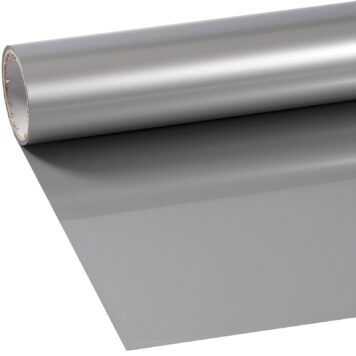
At Window Films Direct, we supply professional-grade conservatory films for trade installers, contractors and commercial projects throughout the UK. Our range includes solar-control, reflective, tinted, privacy and specialist roof films for glass and selected polycarbonate installations.
Whether the priority is reducing overheating, controlling glare or helping protect furnishings from fading, the correct film can provide an effective glazing upgrade while retaining useful natural light.
Conservatories can become uncomfortable when large areas of glazing are exposed to direct sunlight. Solar-control film helps manage the amount of heat and light passing through the roof and windows.
Depending on the film selected, potential benefits include:
Performance varies between products, glazing types and orientations, so the individual technical specification should be checked before ordering.
Conservatory roof film is designed for use on suitable glass or polycarbonate roof panels.
Roof glazing receives high levels of direct sunlight and can contribute significantly to heat build-up and glare. A suitable roof film may help reduce these effects while allowing the conservatory to remain bright.
The installation position and compatible glazing will depend on the product. Some films are designed for internal installation, while others must be fitted externally.
Before ordering, check:
Coolkote is designed as a specialist conservatory roof film for compatible glass or polycarbonate panels.
It may provide a practical option where reducing heat and glare is the main priority. Suitability will depend on the roof construction and individual product specification.
Because roof panels can be difficult to access and may require external installation, the fitting method and working conditions should be considered carefully before installation.
Solar-control film can be applied to compatible conservatory windows and glazed doors to reduce solar heat gain and glare.
It may be particularly useful on:
The most suitable film will depend on the required balance between heat rejection, light transmission and appearance.
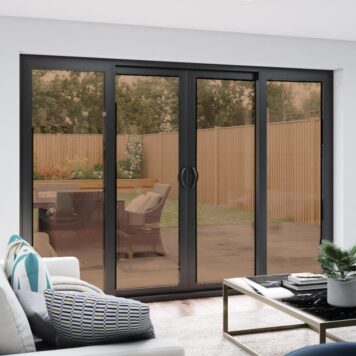
Reflective film creates a mirrored or semi-reflective appearance on the brighter side of the glass.
It can provide:
The privacy effect depends on lighting conditions. During the evening, when the interior is brighter than outside, the effect may be reduced or reversed.
Reflective film should therefore not be relied upon as a complete day-and-night privacy solution.
Tinted window film reduces visible light and can create a darker, more shaded appearance.
Different tint levels allow installers to balance:
A darker film does not automatically provide the strongest heat rejection, so technical performance should be considered alongside shade.
Where privacy is required, the correct film will depend on whether visibility needs to be restricted during the day only or at all times.
Possible options include:
Reflective film can increase privacy during daylight when the exterior is brighter than the conservatory interior.
Frosted film obscures visibility from both sides and provides more consistent privacy during the day and at night.
Patterned film combines decorative design with partial or stronger visual screening, depending on the pattern and opacity.
These films provide a much higher level of visual restriction but also significantly reduce natural light.
Conservatory film can help reduce the amount of solar energy entering through the glazing.
This may improve comfort by reducing:
The actual result will depend on the film, glazing, orientation, weather and size of the conservatory.
Window film cannot eliminate all heat, particularly in a fully glazed structure, but it can form part of a wider heat-management strategy.
Many conservatory films reduce a proportion of ultraviolet radiation passing through the glazing.
This may help slow fading affecting:
Ultraviolet exposure is only one cause of fading, so film can reduce the risk but cannot prevent deterioration completely.
Selected solar-control films can help reduce summer heat gain, potentially lowering demand on fans or cooling systems.
Low-E and insulation films may also help reduce radiant heat loss during colder periods when applied to compatible glazing.
However, solar-control and insulation performance vary between products. A film designed mainly for summer heat rejection will not automatically provide significant winter insulation.
Any expected energy saving will depend on:
Not every window film is suitable for every conservatory.
Compatibility should be checked for:
Polycarbonate panels require a film specifically designed for use on that material. Standard adhesive window film should not be applied unless compatibility is confirmed.
Incorrect film selection can affect appearance, adhesion or thermal performance.
Some conservatory films are fitted internally, while others are designed specifically for external use.
External film may be required where:
External films must be manufactured for outdoor exposure and installed according to the product guidance.
Most adhesive-backed films use a wet-application method.
The usual process involves:
Large panels can be difficult to handle, so two installers may be required.
Professional fitting is strongly recommended for roof glazing, high-level panels, external films and large conservatories.
Some accessible conservatory windows may be suitable for competent DIY installation using the correct tools and instructions.
Professional installation may be preferable for:
Safe access and correct film selection are particularly important on roof installations.
Browse our Window Film Fitting Equipment for suitable preparation, cutting and application tools.
Conservatory film should be allowed to cure fully before cleaning.
Use:
Avoid:
External roof films may require periodic inspection for edge condition, weathering and contamination.
Many adhesive-backed films can be removed from compatible glazing.
The usual process involves carefully peeling the film away and removing any remaining adhesive with a suitable cleaning method.
Most adhesive films are not reusable after removal. Removal from polycarbonate or coated glazing should follow the product guidance to avoid damaging the surface.
Browse our conservatory window film range and compare roof films, reflective films, tinted films and specialist solar-control products for your project.
Products are available in trade-friendly formats, including by-the-metre ordering and complete rolls where shown. Check the film width, minimum quantity, installation position, glazing compatibility and technical performance before ordering.
For help selecting the correct film for a glass or polycarbonate conservatory, contact the Window Films Direct team for product guidance.
Many adhesive-backed films can be removed from suitable glazing.
Some adhesive residue may remain, and most films cannot be reused once removed.
Yes, the film remains installed throughout the year.
Solar-control film is primarily intended to reduce heat and glare during brighter weather. Some specialist Low-E products may also help reduce radiant heat loss during colder periods.
Yes, provided the product is specifically suitable for the roof material and installation position.
Check whether the roof is made from glass or polycarbonate and confirm compatibility before ordering.
Some films are suitable for double-glazed units, but not every product is compatible with every construction.
The glazing and film specification should always be checked before installation.
Only use a film specifically approved for the relevant type of polycarbonate.
Standard glass film may not adhere or perform correctly and could damage the panel.
Many conservatory films reduce a high proportion of ultraviolet transmission.
The precise level varies between products and should be confirmed in the technical specification.
Not reliably.
Reflective privacy depends on one side being brighter than the other. When the conservatory is illuminated after dark, people outside may be able to see in.
Some Low-E and thermal films are designed to improve insulation performance.
Standard reflective or solar-control conservatory film should not automatically be described as providing significant winter insulation unless the technical specification confirms it.