How Safety Window Film Works
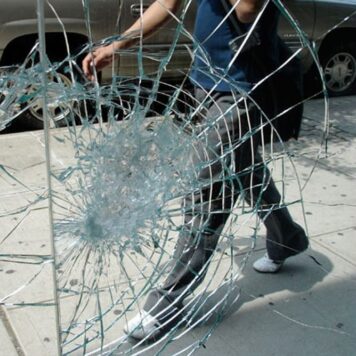
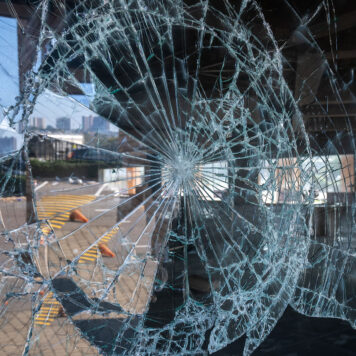
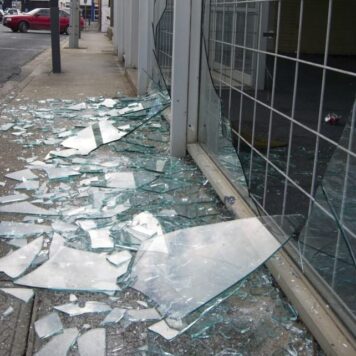
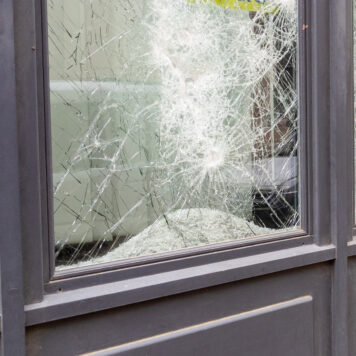
Safety window film bonds to the glass using a strong adhesive system. If the glass breaks, the film helps retain the fragments and reduce the risk of loose shards falling into the surrounding area.
The film does not make glass unbreakable, but it can improve the way the glazing behaves after impact. The level of protection depends on factors including:
- Film thickness
- Glass type and condition
- Installation quality
- Pane size
- Framing system
- Edge attachment
- Type and force of impact
Where a specific safety or security classification is required, the complete glazing system should be assessed against the relevant standard rather than relying on film thickness alone.
Safety Film and Security Film
Safety film and security film are related, but they are not always the same product.
Safety Window Film
Safety film is primarily designed to help retain broken glass and reduce the risk of injury following accidental impact or breakage.
It is commonly used to upgrade glazing in environments such as schools, nurseries, offices, public buildings and residential properties.
Security Window Film
Security film is generally thicker and intended to provide greater resistance to forced entry, impact or blast-related glass failure.
It may help delay access through the glazing, but it should not be promoted as preventing burglary completely. Performance will depend on the film, glass, framing and any edge-retention system used.
Benefits of Safety and Security Window Film
Depending on the selected product and installation, potential benefits include:
- Improved glass-fragment retention
- Reduced risk of injury from shattered glass
- Greater resistance to accidental impact
- Added delay against forced entry
- A clear and discreet finish
- Retention of natural light and visibility
- Less disruption than replacing glazing
- Suitability for existing windows and glazed doors
The required performance should always be confirmed against the individual technical specification.
Clear Safety Film for Existing Glazing
Clear safety film is designed to protect without significantly changing the appearance of the glass.
Once installed correctly, it offers a discreet solution for buildings where visibility, daylight and the original glazing appearance need to be retained.
Clear safety films are commonly used on:
- Windows
- Glazed doors
- Internal partitions
- Shopfront glazing
- Display areas
- Schools and nurseries
- Offices
- Public buildings
- Residential glass
- Safety Film for Commercial Buildings
Commercial premises often contain large areas of glazing that may be exposed to accidental impact, vandalism or attempted forced entry.
Safety and security film can be used across:
- Retail units
- Jewellers
- Offices
- Schools and colleges
- Healthcare environments
- Reception areas
- Public buildings
- Leisure facilities
- Industrial premises
For high-risk environments, film selection should form part of a wider security or glazing assessment.
Safety Film for Schools, Nurseries and Public Buildings
Glazing in schools, nurseries, care environments and public buildings may need to meet specific impact-safety requirements.
Suitable safety film can sometimes be used to upgrade existing glazing, but compliance depends on the tested film-and-glass system, installation method and relevant classification.
Where certification is required, installers should refer to the product documentation and ensure the completed installation meets the required specification.
Safety Standards and Certification
Some safety films may form part of glazing systems tested to standards such as BS EN 12600 or earlier classifications including BS 6206.
However, applying film does not automatically certify every pane of glass to a particular class. Compliance depends on the product, film thickness, glazing construction, installation and tested configuration.
Before quoting a project against a specific standard, check:
- The film’s test certification
- The required classification
- The glass thickness and type
- Pane dimensions
- Internal or external installation
- Whether edge attachment is required
- Whether the system has been tested in the proposed configuration
- Security Film and Forced-Entry Resistance
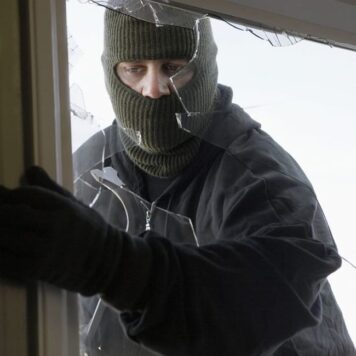
Security film can help make it harder to gain rapid access through broken glazing by holding fragments together after impact.
This can provide additional time and may discourage opportunistic entry, but it should not be described as making a window burglar-proof.
For enhanced forced-entry resistance, the film may need to be combined with:
- Suitable laminated or toughened glass
- Secure framing
- Edge-retention systems
- Mechanical fixings
- Alarms or other security measures
- A Clear Alternative to Bars and Grilles
Where visual appearance matters, clear safety and security film may offer a more discreet option than bars or grilles.
It retains visibility and natural light while helping improve the behaviour of the glazing under impact.
The most suitable solution will depend on the risk level and required performance. Bars, grilles, shutters or upgraded glazing may still be necessary in higher-security situations.
Safety Film for Retail and High-Value Premises
Retail environments and premises displaying high-value goods may benefit from clear security film that preserves visibility into the building while adding an extra layer of resistance.
Typical applications include:
- Jewellers
- Electronics retailers
- Showrooms
- Museums
- Display cases
- Shopfronts
- Cash-handling areas
A professional risk assessment is recommended where the glazing forms part of a security strategy.
Anti-Graffiti Protection Film
Anti-graffiti film is designed to protect glass and other suitable smooth surfaces from scratching, etching, paint and vandalism.
Rather than replacing the damaged glass, the sacrificial film layer can often be removed and replaced.
It is commonly used on:
- Shopfronts
- Public transport glazing
- Lifts
- Mirrors
- Display cases
- Public buildings
- Retail interiors
Anti-graffiti film is a separate specialist product and should not automatically be treated as safety or security film. Anti-graffiti protection is a separate specialist application, available within our Specialist Window Film range.
Installing Safety and Security Window Film
Correct installation is particularly important for safety and security applications.
The glass must be thoroughly prepared before the film is applied using the correct fitting solution, tools and technique. Poor preparation or incomplete adhesion can affect both appearance and performance.
The usual process includes:
- Inspecting and identifying the glazing
- Confirming product compatibility
- Cleaning the glass thoroughly
- Cutting the film accurately
- Applying the installation solution
- Positioning and squeegeeing the film
- Completing the edges carefully
- Applying edge attachment where specified
- Allowing the film to cure fully
For certified, commercial or high-risk installations, professional fitting is strongly recommended.
Browse our Window Film Fitting Equipment for suitable preparation, cutting and application tools.
Edge Attachment and Frame Retention
In some security applications, the film alone may not be enough. An edge-retention system may be required to connect the filmed glass more securely to the frame.
This can improve the overall performance of the glazing system after impact.
Whether edge attachment is required will depend on:
- The chosen film
- Glass size
- Frame construction
- Required security level
- Test specification
- Intended application
Installers should follow the manufacturer’s technical guidance for the complete system.
Cleaning and Maintenance
After installation, the film should be allowed to cure for the period stated in the product instructions before cleaning.
Use a soft cloth, a non-abrasive squeegee, and a mild cleaning solution. Avoid abrasive pads, sharp tools and harsh chemicals that could scratch or damage the film.
The film and its edges should also be inspected periodically, particularly in commercial or high-risk environments.
Order Safety and Security Window Film Online
Browse our safety and security window film range and compare film thicknesses, roll widths and performance specifications for your project.
Products are available in trade-friendly formats, including by-the-metre ordering and complete rolls where shown. Check the individual technical data, glass compatibility, installation requirements and certification before ordering.
For help selecting the most appropriate film for a particular glazing system or safety requirement, contact the Window Films Direct team for product guidance.