



Yes, once fully cured.
Use a soft cloth or non-abrasive squeegee with clean water and a mild, film-safe detergent.
Because the film is installed on the outer surface of the glass, it can intercept solar energy before it enters the glazing system.
Depending on the product selected, potential benefits include:
The precise result will depend on the selected film, glazing construction, building orientation and level of solar exposure.
External solar-control film is applied directly to the weather-facing surface of the glass.
The film is designed to reflect, absorb or reject part of the solar energy before it passes through the pane. This can reduce the amount of heat and glare entering the building and may improve comfort around heavily exposed windows.
Performance varies between products, so installers should compare:
The most reflective-looking film is not always the most appropriate option for every building.
When Is External Film More Suitable Than Internal Film?
External film may be recommended where the glazing construction makes an internal film less suitable.
This can include:
Installing film on the external face can help reduce the amount of solar energy absorbed within the glazing system.
However, compatibility must still be checked against the individual film and glass specification before installation.
Laminated glass can absorb and retain heat differently from standard monolithic glazing.
In some cases, applying a highly absorbent film internally may increase thermal stress within the pane. An externally applied film may therefore be more suitable, depending on the glazing construction and product specification.
Installers should confirm:
The final selection should be based on technical data rather than glass type alone.
Modern glazing systems may include specialist coatings designed to improve insulation or solar performance.
These coatings can affect how heat is absorbed, reflected and transferred through the pane. External films are often considered where internal application could interfere with the thermal behaviour of the glazing.
Before installation, confirm:
External solar film can reduce a proportion of the solar energy reaching the interior.
This may help improve comfort in:
The actual reduction will depend on the film, glass, orientation, time of day and amount of direct sunlight.
Large areas of exposed glazing can cause uncomfortable glare on screens, workstations and seating areas.
External solar-control film can help reduce visible glare while retaining useful levels of daylight.
Typical applications include:
The visible-light transmission value should be checked carefully to avoid making the interior darker than required.
Many external solar films reduce a high proportion of ultraviolet transmission.
This may help slow fading affecting:
Ultraviolet light is only one cause of fading, so film can reduce the risk but cannot prevent deterioration entirely.
By reducing unwanted solar heat gain, suitable external film may help lower the demand placed on cooling and air-conditioning systems.
Potential energy benefits will depend on:
Any expected saving should be considered project by project rather than treated as guaranteed.
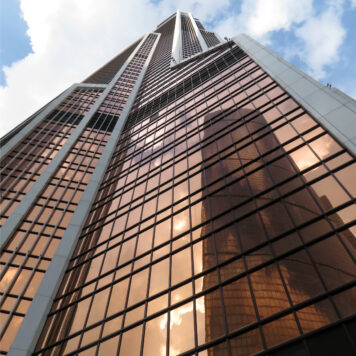
External solar films are available in a range of appearances, including:
The appearance can vary according to:
A sample installation may be useful where external appearance is especially important.
External solar window film can be used across many types of commercial and residential glazing, subject to compatibility.
Typical applications include:
Access, height and weather exposure should be considered before specifying an external installation.
External solar film is generally more demanding to install than internal window film.
Professional installation is strongly recommended because the work may involve:
The surface must be thoroughly cleaned and free from contamination before application.
The exposed edges of external window film must be protected against moisture, weathering and contamination.
After the film has been fitted, all edges should be sealed using the silicone sealant recommended for the selected product.
Correct edge sealing can help:
The sealant must be compatible with both the film and frame materials.
A typical installation may include:
The exact process should follow the manufacturer’s installation guidance.
External film should be installed in suitable weather conditions.
Strong wind, rain, very low temperatures, or excessively hot glass can make installation difficult and may affect the finished result.
Installers should consider:
The installation area should be protected from contamination while the film is being applied.
External films are specifically manufactured to withstand weather exposure, but they will generally experience more demanding conditions than internally applied films.
Service life will depend on:
Periodic inspection of the film and sealed edges is recommended.
Once the film has cured fully, it should be cleaned carefully using:
Avoid:
Any damaged edges should be assessed promptly.
Browse our range of external solar-control films and compare heat rejection, glare reduction, light transmission and appearance for your project.
Products are available in trade-friendly formats, including by-the-metre ordering and complete rolls where shown. Check the film width, installation position, glass compatibility, edge-sealing requirements and technical performance before ordering.
For help selecting a suitable external film for laminated, coated or specialist glazing, contact the Window Films Direct team for product guidance.
Yes, once fully cured.
Use a soft cloth or non-abrasive squeegee with clean water and a mild, film-safe detergent.
External film is often considered for laminated glazing where an internal film may not be appropriate.
The exact product must still be matched to the glass construction and pane size.
Professional installation is generally recommended.
External fitting may involve high-level access, weather exposure, larger sheets and careful edge sealing.
Many external solar films reduce a high proportion of ultraviolet transmission.
The exact performance should be confirmed in the individual technical specification.
Yes. Exposed edges should be sealed using the silicone sealant recommended for the selected film.
This helps protect the adhesive from water, weathering and contamination.
Many external solar films reduce visible glare.
This can improve comfort around screens, workstations, classrooms and heavily sun-exposed rooms.
Yes, suitable external solar film can reduce a proportion of the solar heat entering through the glazing.
The result depends on the selected film, glass type, orientation and level of direct sunlight.
The lifespan depends on the film, orientation, weather exposure, installation quality and maintenance.
External films are designed for outdoor conditions but may require replacement sooner than comparable internally applied films.